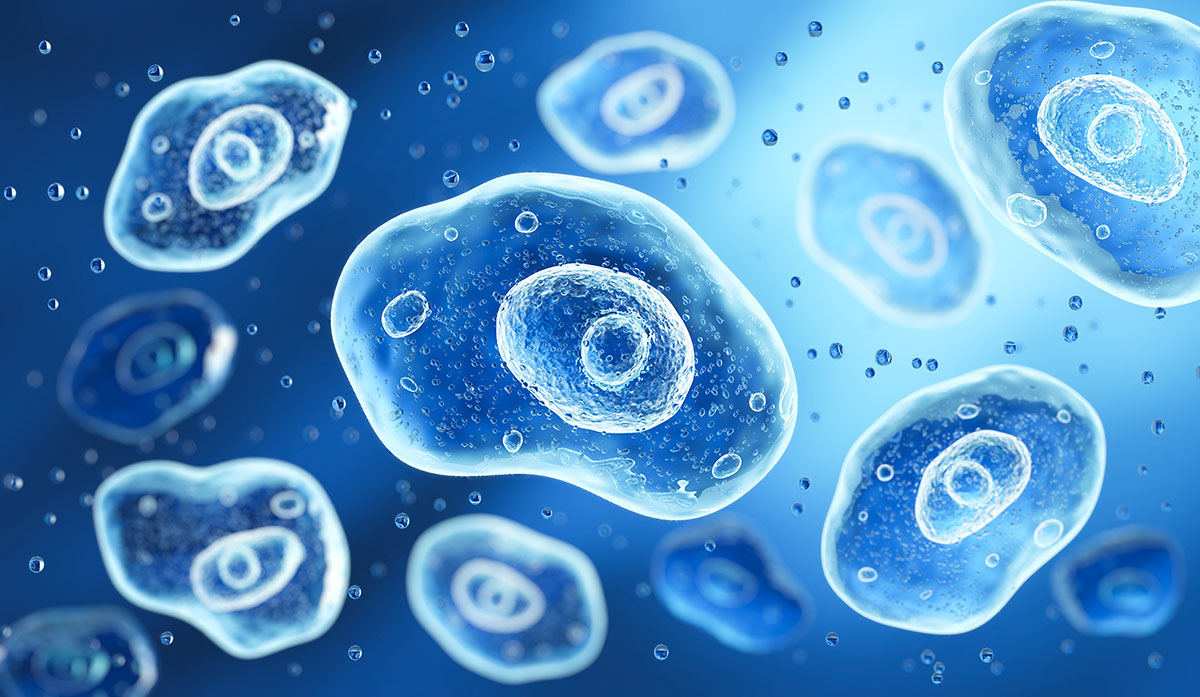
Understanding the World Within Each Cell
There are moments in research when a new tool does more than refine our understanding. It shifts the entire way we see biology. Single cell technologies have done exactly that for me. For years, we relied on bulk measurements that averaged the behaviors of thousands or millions of cells. Those approaches were useful, but they often blurred the details that mattered most. When you average everything together, the quiet but important voices in the cellular conversation get drowned out.
With single cell technologies, we can finally hear each cell speak for itself. Instead of guessing how immune cells behave in complex environments, we can now observe the subtle differences that drive inflammation, healing, and disease progression. This level of clarity has changed how I think about the immune system and the delicate balance it must maintain to keep us healthy.
The Immune Microenvironment as a Living Community
One of the most fascinating discoveries that single cell tools have brought to light is the true complexity of the immune microenvironment. Rather than a collection of isolated players, the immune system looks more like a densely interconnected community. Cells communicate constantly. They react, adapt, and cooperate in ways that were invisible to us before.
In a tumor, for example, immune cells do not all behave the same way. Some attack the tumor, others try to calm inflammation, and some even get manipulated into helping cancer grow. Without single cell analysis, we might have missed these important subgroups entirely. Now we can identify them, track them, and understand their roles in real time.
This detailed view of the immune microenvironment is helping researchers design therapies with greater precision. We are no longer treating the immune system as a single target. Instead, we are learning to guide the right cells, at the right moment, to achieve the right outcome.
How Single Cell Tools Work
Single cell technologies include a wide range of tools, from single cell RNA sequencing to high dimensional imaging and proteomics. What they all share is the ability to examine individual cells with incredible resolution. Instead of getting one answer from a tissue sample, we get thousands of answers, each representing a unique cell.
Single cell RNA sequencing has become one of the most popular methods because it allows us to see which genes are active in each cell. This tells us what the cell is doing and, in many ways, what it is thinking. Other tools let us measure proteins, signals on the cell surface, or how cells are arranged in tissues.
The power of these methods lies not only in the data they produce but also in the patterns they reveal. When we map cells in a tissue, we can see how they cluster, how they communicate, and how they respond to changes in the environment. This level of insight was simply not possible a decade ago.
Applications in Disease Research
Single-cell technologies have become essential in studying many diseases. In autoimmune disorders, for example, we now know that certain immune cells behave abnormally long before symptoms appear. This opens the door to earlier diagnosis and more targeted interventions.
In infectious disease research, single-cell analysis helps us understand how viruses and bacteria interact with the immune system. We can track which cells respond first, which ones escalate the response, and which ones help resolve inflammation once the threat is gone. This is especially important for designing vaccines and antiviral therapies.
Cancer research has perhaps benefited the most. Tumors are rich in immune cells, but not all of them work in our favor. With single-cell tools, we can pinpoint the exact cell types that interfere with treatment and design therapies that overcome those barriers. This is already leading to more effective immunotherapies and personalized treatment strategies.
The Human Health Perspective
What excites me most about this field is not only the scientific progress but also the potential impact on everyday health. Single-cell technologies are helping us understand the diversity within our own bodies. Even when you look at the same cell type from two different people, the differences can be profound.
These tools are revealing how genetics, environment, lifestyle, and age shape our immune systems. They are helping us understand why some people respond well to treatments while others do not. They are also showing us how chronic stress, diet, and infections alter the immune microenvironment in ways that influence disease risk.
This understanding brings us closer to a world where healthcare is not based on averages but on the unique biology of each person.
Looking Ahead
As single-cell technologies continue to improve, the possibilities expand. We are moving toward real-time analysis, where we can watch immune cells act and react as events unfold in the body. We are also developing tools that combine gene expression, protein profiles, and spatial organization in a single experiment.
The immune system has always been complex. Now we finally have the tools to appreciate that complexity rather than ignore it. For me, this represents a new era of hope for prevention, diagnosis, and treatment. When we understand the immune microenvironment at the level of individual cells, we give ourselves the power to design therapies that work with the body rather than against it.
That is the promise of single-cell science, and it is only the beginning.